10.29.2025
The Forgotten Lesson of the Prodigal Son
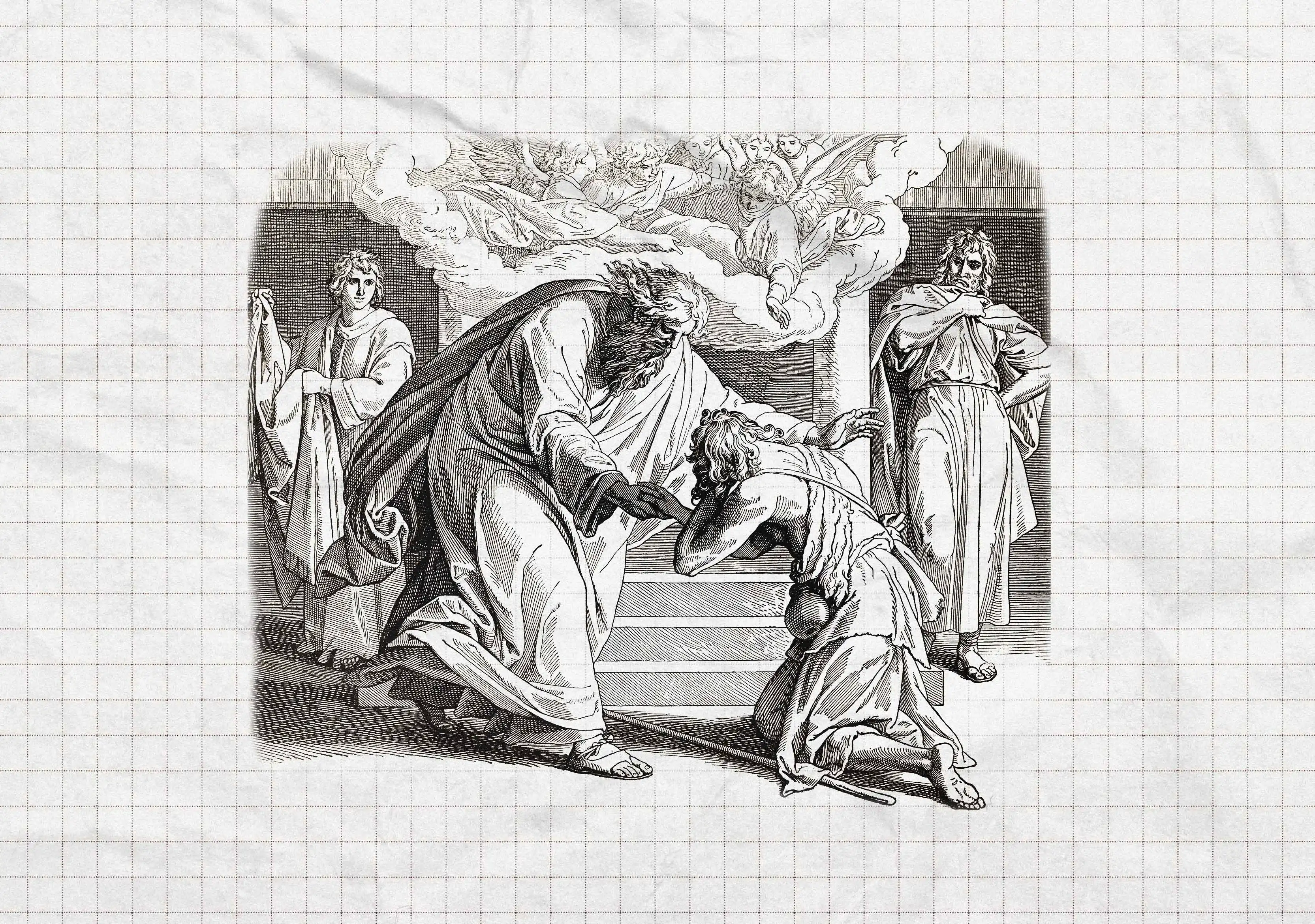
Let’s look back at a story that you probably know. It is found in Luke 15:11-32, the parable of the lost son. Stick with me here because there is something I’ve missed for 50 years.
A man had two sons. The younger son demanded his share of the estate. Culturally, this was unheard of in Jesus’ time. It was like he said, “I wish you were dead,” to his father. He crushed his father, and it would have sent ripples through their community.
But the father relented, and the younger son went to a faraway country and blew his inheritance on prostitutes, partying, and all sorts of wild living. He was as far from home as he could be, literally and metaphorically.
Then a famine came. Times got tough. He ran out of money. So, he hired himself out to work for a pig farmer. Not only was he around pigs, feeding pigs, but he also found himself jealous of the unclean animals because they got enough to eat (remember Jesus’ Jewish audience). He came to his senses and started thinking about how well his father’s hired men were treated. Then he got up, made the long trip back home, rehearsing his confession and his case to be a hired hand, not a son.
The father ran to him and didn’t even let the son give his speech, but welcomed him, extending reconciliation to the boy. The father gave him all the symbols of belonging: robe, ring, and shoes. “My son that was dead is alive…he was lost but now is found.” And then they threw a party!
There was also another son, an older brother. He was out in the field working. He heard the commotion and asked a servant what was happening. “Your brother is home and we are celebrating.” But the older brother refused to go in. So, the father again runs to his son, who is lost and estranged. He pleads with him to come in and assures him that everything he has is his.
This is a beautiful picture of God, the good father who moves toward us whether we’re running away from him or begrudgingly doing the right things, keeping score, and wondering why he isn’t paying attention to us.
And that’s where we usually stop.
But I think something else is going on here.
Each of the characters was telling themselves a story about work:
Younger Son’s story about work:
- -Work was an obstacle to the life he thought he wanted.
- -He ran away from his father and the work he had for him.
- -Then, in the famine, work was all about survival.
Older son’s story about work:
- -Work was a necessary evil.
- -It was duty and drudgery until one day he didn’t have to work anymore.
- -He worked for years, seemingly disconnected from his father.
Take a moment to consider what story you’re telling about work. Are you telling any of those stories: avoid it, hate it, survival, drudgery, just putting in my time? While it’s tempting to fall into one of them, the father was telling a different story about work:
Work is a way to be in union and relationship with my sons.
Jesus’ story in Luke 15 points us back to Genesis 1-2: God gave humans work as a gift…a way to be in union and relationship with Him, collaborating with Him, moving things forward for the good of the world.
To lean more into the role of work in God’s story, check out our podcast with Dr. Tammy Dunahoo (listen on Spotify or Apple Podcasts).